Infection Prevention and Control (IPAC) is one of the most consequential compliance areas for any Ontario dental office. The Royal College of Dental Surgeons of Ontario (RCDSO) holds practices to rigorous IPAC standards, and a failed audit can result in mandatory corrective action, follow-up inspections, and reputational damage that's difficult to recover from.
Through our IPAC assessment work with Ontario dental clinics, the same issues tend to surface repeatedly. Most of them aren't about intent — clinics want to be compliant. The problems are almost always about documentation, consistency, and outdated processes that haven't kept up with current standards.
Here's what you should review before your next IPAC audit — whether it's scheduled or not.
Note: This article is intended as general guidance. Clinics should verify current requirements directly with the RCDSO and applicable regulatory bodies, as standards may be updated over time.
Your IPAC Manual: Is It Current and Accurate?
Every Ontario dental office is expected to maintain a comprehensive IPAC manual. The RCDSO expects this document to be a living reference — reviewed and updated regularly, reflecting your actual clinical workflows.
The most common issue I encounter is clinics using generic templates that were never customized to their specific practice. An auditor will immediately notice when the manual describes processes that don't match what the team is actually doing.
What to check:
- When was your IPAC manual last reviewed and updated? If it's been more than 12 months, schedule an update now.
- Does it reflect your current equipment, sterilization workflows, and facility layout?
- Is your designated IPAC lead identified by name, and are their responsibilities clearly documented?
- Are all team members trained on the manual, with signed acknowledgement records on file?
Instrument Reprocessing and Sterilization Documentation
Sterilization is arguably the most scrutinized area in any IPAC audit. The RCDSO expects complete documentation for every sterilization cycle — not just that you ran it, but that you can prove it worked.
Key documentation requirements:
- Date, time, and cycle parameters for every sterilizer load
- Operator initials for each cycle
- Biological indicator (spore test) results — typically run weekly, with documented corrective action for any positive results
- Chemical indicator verification for every package
- Sterilizer maintenance and calibration records
Gaps in sterilization logs are one of the most frequently cited deficiencies. If your team isn't logging consistently, this is the single highest-priority item to fix.
Hand Hygiene Compliance
Hand hygiene is foundational to IPAC — and one of the most commonly cited areas for improvement across healthcare, not just dentistry. Having hand sanitizer available isn't sufficient. The RCDSO generally expects documented training on proper hand hygiene technique and periodic compliance monitoring.
- Are hand hygiene supplies (soap, sanitizer, paper towels) accessible at every point of care?
- Do you have documented hand hygiene training records for all clinical staff?
- Have you conducted any internal hand hygiene audits in the past 12 months?
Dental Unit Waterline Testing
Dental unit waterlines can harbour biofilm and bacteria. The standard requires that waterlines be tested regularly to confirm microbial levels remain below 500 CFU/mL.
Many clinics either test infrequently or don't have a documented protocol for what happens when results exceed acceptable limits. Both are audit risks.
Recommended practice:
- Test waterlines at least quarterly (some manufacturers recommend monthly)
- Document all results with dates and unit identification
- Maintain a written remediation protocol for any out-of-range results
- Keep records of waterline treatment products and schedules
Personal Protective Equipment (PPE) Protocols
PPE use should be standardized, documented, and consistently followed. Auditors observe whether PPE is being used correctly during clinical procedures — not just whether it's available on the shelf.
- Are PPE requirements documented for different procedure types?
- Is PPE donning and doffing sequence posted and followed?
- Are there designated areas for putting on and removing PPE?
Building an Audit-Ready Culture
The clinics that consistently pass IPAC audits without stress share a common trait: compliance is part of their daily routine, not a scramble before an inspection.
Practical steps:
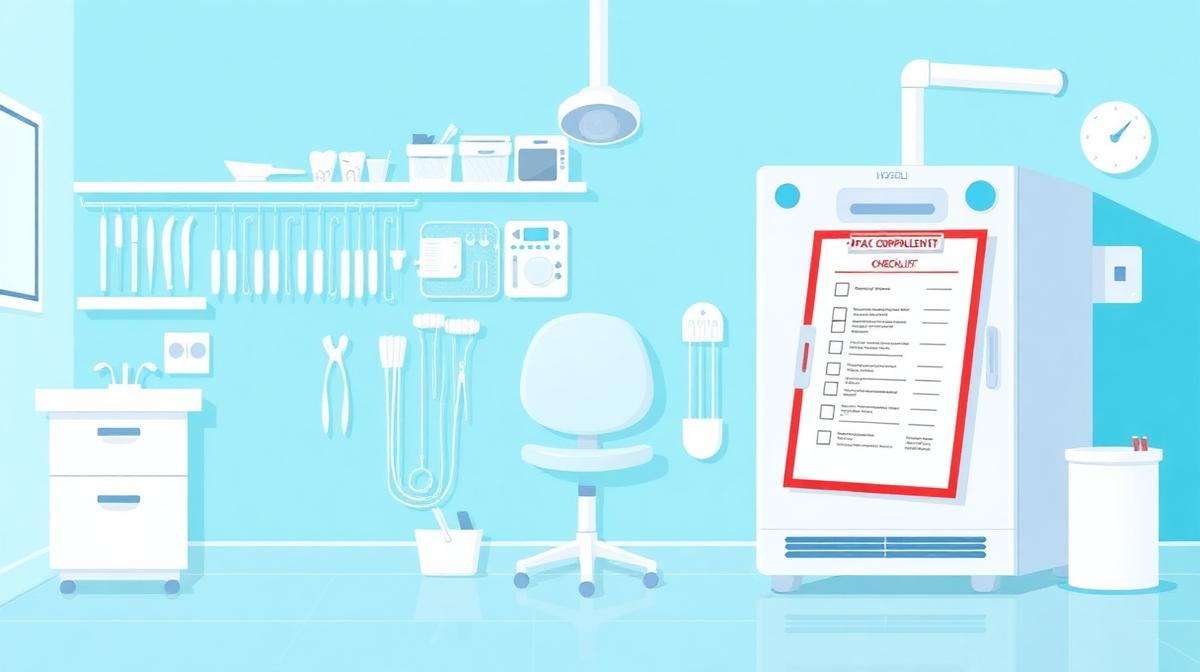
- Monthly self-audits: Use the RCDSO's own checklist to audit your processes monthly.
- Designate an IPAC lead: One team member should own the program, though compliance is everyone's responsibility.
- Annual team training: Schedule formal IPAC training at least once per year, with documentation.
- Incident response plan: Document what happens when a protocol breach occurs, including exposure follow-up and reporting.
Practical Takeaways
- Review and update your IPAC manual at least annually — ensure it reflects actual practice workflows
- Audit your sterilization logs for completeness — this is the most cited deficiency
- Document all hand hygiene training and conduct internal compliance checks
- Test waterlines quarterly and maintain remediation protocols
- Build a culture of daily compliance, not last-minute preparation
If you're unsure where your clinic stands, an independent IPAC assessment can be an effective way to identify gaps before a regulatory audit does. At ScaleWell Consulting, we conduct thorough IPAC assessments with actionable corrective plans — not just a pass/fail score.